

The legacy of Giorgio Armani transcends the fleeting cycles of fashion. It is a narrative rooted in sociology, economics, and a radical aesthetic revolution. Armani didn’t just design clothes; he engineered a new visual language of authority and prestige. By transforming Italian craftsmanship into a global symbol of understated luxury, he created a $12 billion independent empire that remains a beacon of the “Made in Italy” identity.
1. The Anatomy of Style: A Clinical Beginning
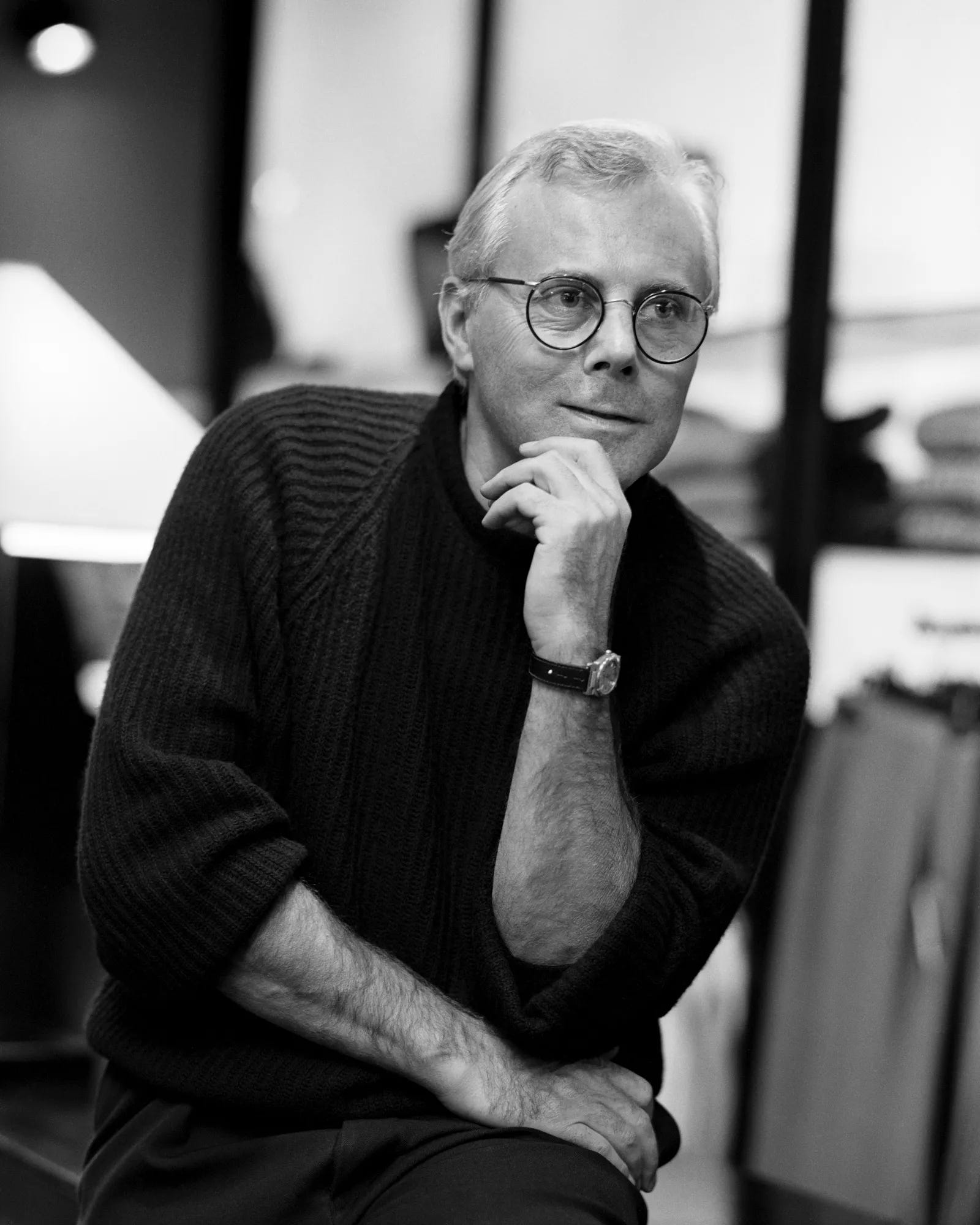
Armani’s journey began not in a studio, but in a classroom. Born in Piacenza in 1934, his early academic pursuit of medicine in Milan fundamentally shaped his creative DNA.
The Clinical Eye: His three years of medical studies provided a deep understanding of human anatomy. For Armani, the body was never a mannequin to be decorated, but a structure to be respected.
A “Second Skin”: This medical background led to his core philosophy: clothing should act as a natural extension of the wearer, prioritizing movement and comfort over theatricality.
The Observer: His early career as a buyer and window dresser at La Rinascente allowed him to analyze consumer behavior, realizing that fashion should serve the reality of daily life, not just the runway.
2. Deconstructing the Uniform: The 1975 Revolution
In 1975, alongside Sergio Galeotti, Armani launched a technical disruption that would alter the history of tailoring: the deconstructed jacket.
Stripping Away the Past: By removing the rigid linings and heavy padding of traditional suits, he created a garment that draped with the ease of a cardigan.
Redefining Masculinity: This innovation offered men a “fluid masculinity”—an image of power that was relaxed, approachable, and modern, moving away from the “armor” of previous decades.
The Power Suit for Women: As women ascended to corporate leadership in the 1980s, Armani provided the aesthetic tools for their empowerment. His pant suits offered a professional silhouette that was commanding yet distinctly feminine, avoiding the trap of mere imitation.
3. The Cinematic Archetype: From Milan to Hollywood
Armani understood sooner than anyone that cinema was the ultimate vehicle for global cultural influence.
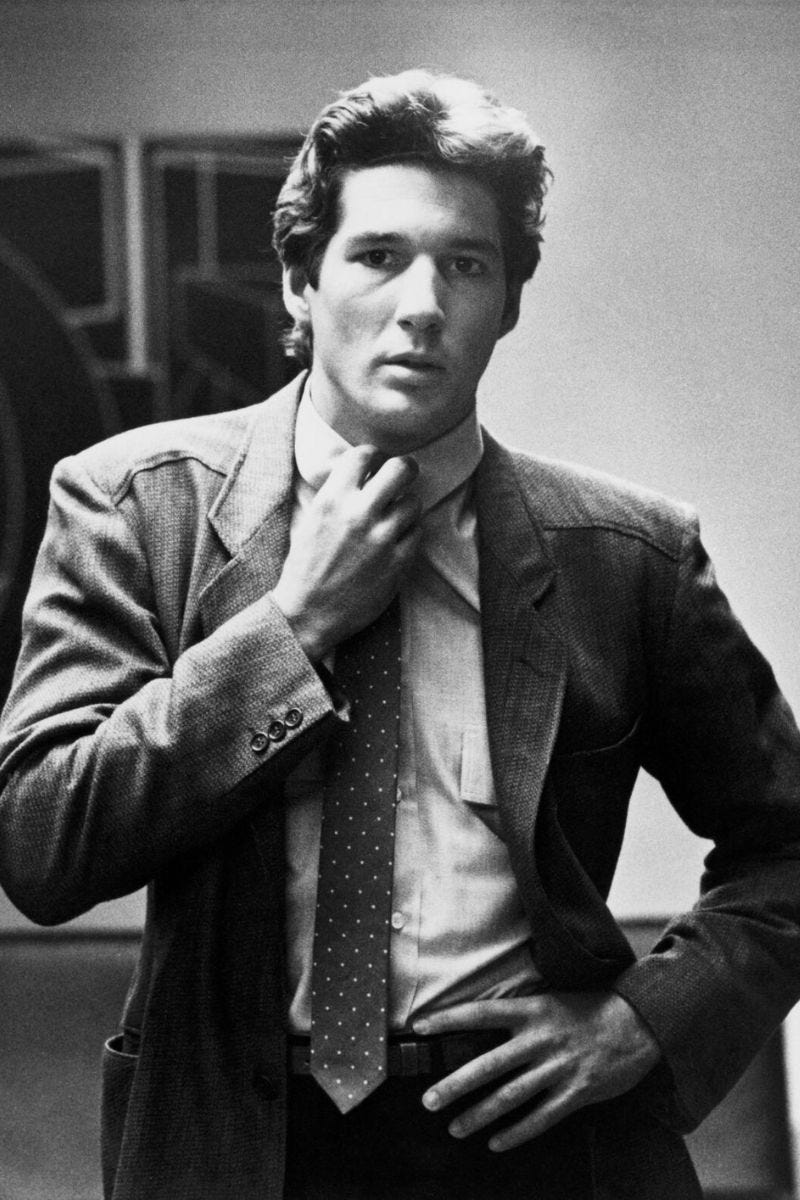
The “American Gigolo” Catalyst: In 1980, Paul Schrader’s film turned Richard Gere into a global style icon. Gere’s wardrobe—composed of silk, linen, and soft earth tones—became the blueprint for the sophisticated modern man.
The Naturalism of Glamour: He revolutionized the Red Carpet by introducing “New Naturalness.” He replaced costume-like gowns with evening wear that enhanced the actor’s personality rather than overwhelming it.
A Cultural Icon: His influence was so pervasive that in 1982, Time Magazine featured him on its cover, recognizing him as the man who had fundamentally changed the way the world dressed.
4. The Architecture of a Lifestyle: Beyond the Runway
For Armani, fashion was always the starting point for a total “lifestyle” (un modo di vivere).
The Philosophy of “Greige”: He famously pioneered “Greige”—a neutral palette between grey and beige. This became the hallmark of “Quiet Luxury”: a color that is never intrusive, suggests timeless wealth, and reflects a disciplined aesthetic.
Strategic Diversification: From the dynamic energy of Emporio Armani (launched in 1981 to democratize luxury) to the minimalist rationalism of Armani/Casa, he ensured his vision touched every aspect of modern existence.
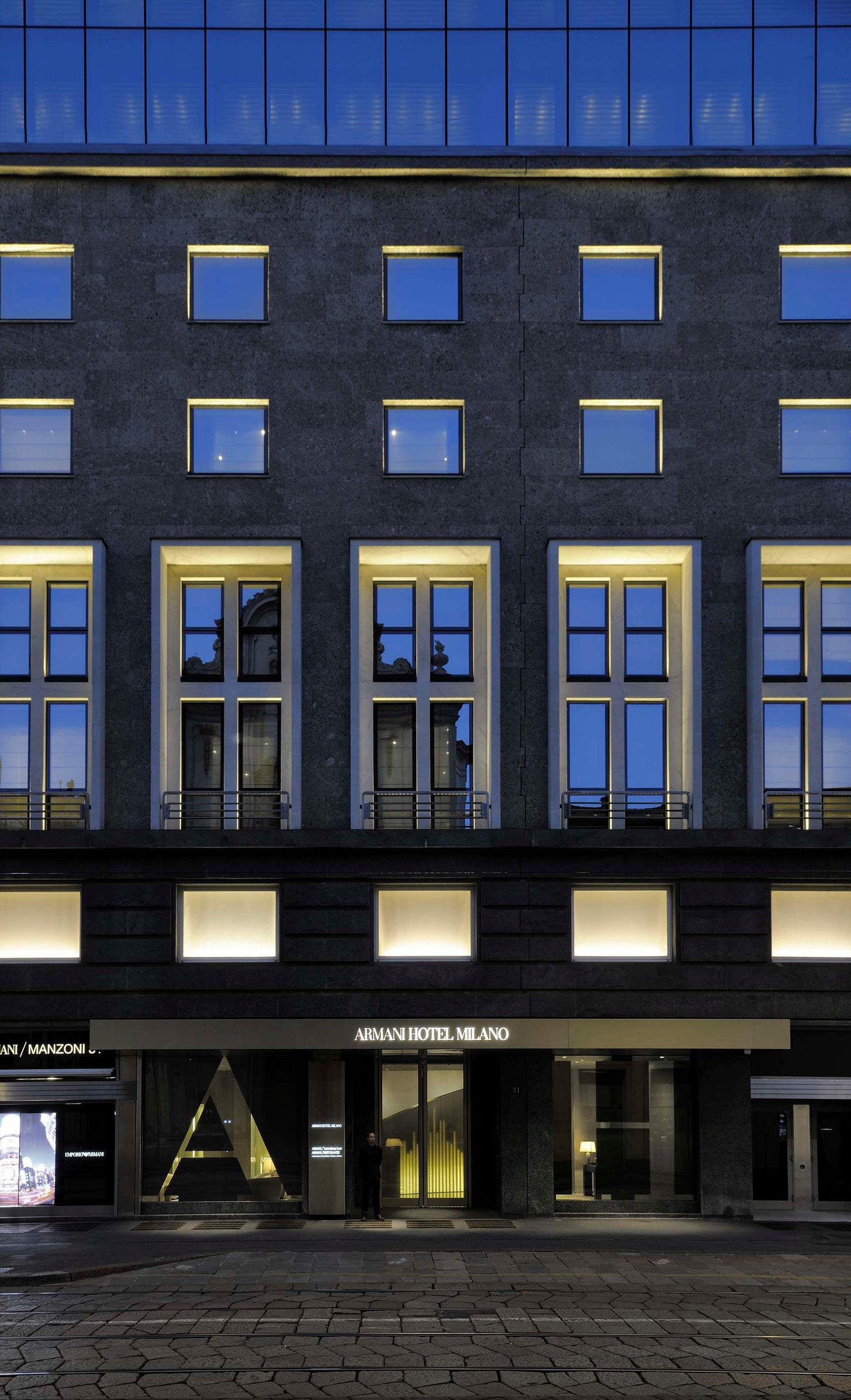
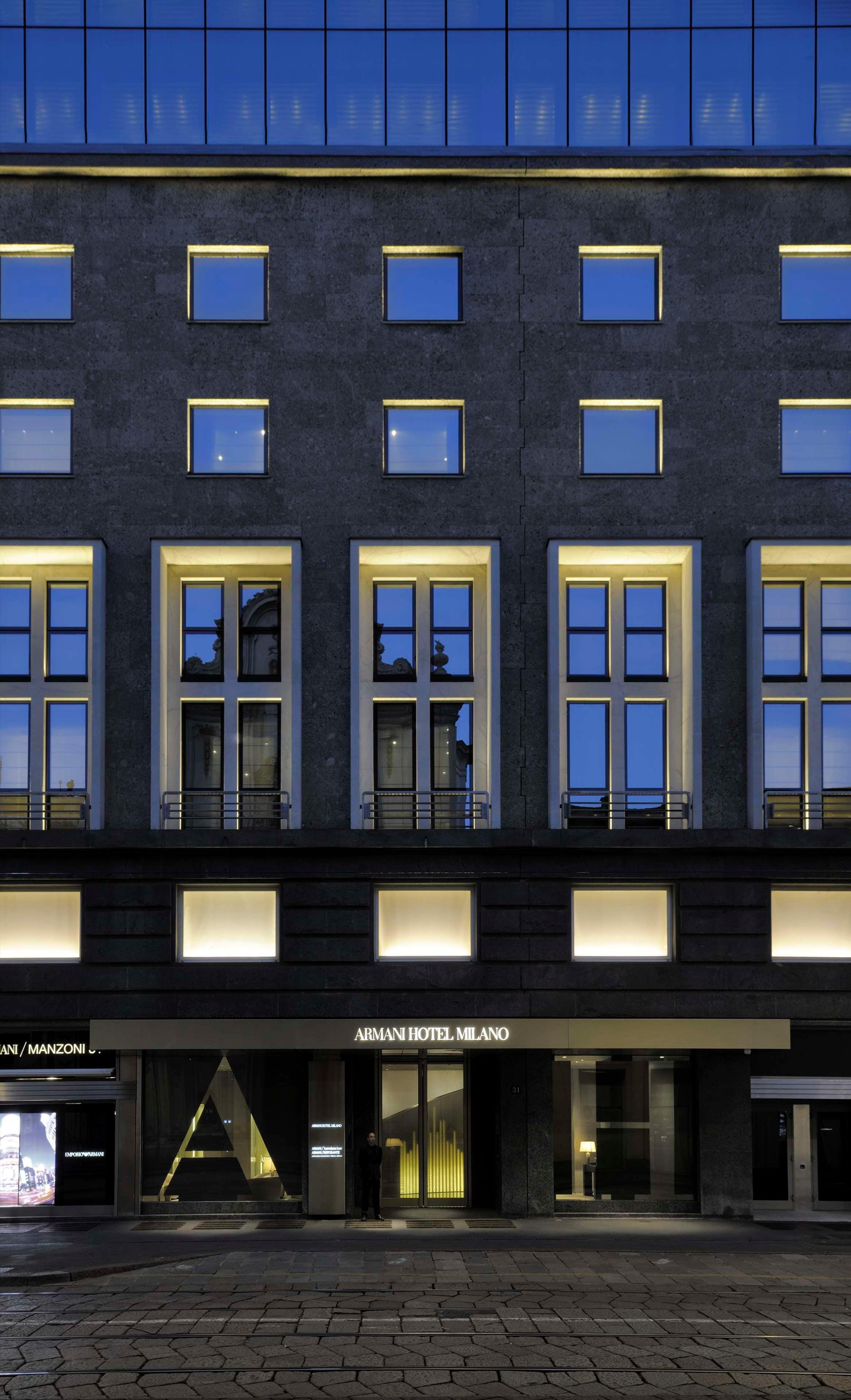
The Hospitality Apex: With the opening of luxury hotels in Dubai and Milan, the “Stay with Armani” concept offered a complete immersion into his curated, serene world.
5. Sovereign Independence: The Ethics of Business
In a luxury landscape dominated by multi-brand conglomerates, Armani’s absolute independence remains his most political and strategic choice.
Total Autonomy: As the sole shareholder, Armani maintained a “long-term” vision, resisting the pressure for quarterly growth that often dilutes brand prestige.
Ethical Leadership: His nickname, “Re Giorgio,” reflects a moral stature. He was a pioneer of sustainable luxury and showed profound leadership during the 2020 pandemic, prioritizing health over profit and redirecting production to aid the medical community.
6. The 2025 Legacy: A Sovereign Succession
The passing of Giorgio Armani in September 2025 marked the transition of an empire. Having meticulously planned for a decade, he ensured that his vision of “whispered elegance” would survive him.
The Foundation as Guardian: The Giorgio Armani Foundation now serves as the protector of the brand’s ethical and aesthetic values, balancing family involvement with a sophisticated management structure.
An Enduring Influence: His legacy is not found in logos, but in the persistence of an idea: that elegance is not about being noticed, but about being remembered.
Conclusion
Giorgio Armani proved that “less is more” is not just a slogan—it is a discipline. His impact on Italy was to make Milan the world capital of style, and his impact on the world was to liberate the body through the power of a soft silhouette. He remains the ultimate example of a visionary who won through the strength of sobriety and the courage of independence.